How to Sell Your House in Rhode Island in 2026: A Local Realtor's Guide
How to Sell Your House in Rhode Island in 2026: A Local Realtor's Guide
Thinking about selling your house in Rhode Island? Before you start making repairs, taking pictures, or deciding what your home is worth, there are a few things you should know.
As a Rhode Island Realtor, one of the biggest mistakes I see homeowners make is assuming that selling their home starts with putting a sign in the yard.
It doesn't.
A successful home sale starts with understanding your property's value, knowing what buyers are looking for, and having a strategy that makes sense for your specific neighborhood.
Whether you're selling a house in Cranston, Cumberland, Lincoln, Warwick, Johnston, Smithfield, or anywhere else in Rhode Island, here's what I recommend.
1. Find Out What Your Rhode Island Home Is Actually Worth
One of the first questions homeowners ask me is, "Jason, how much can I sell my house for?"
The answer depends on more than the number of bedrooms, bathrooms, and square footage.
Rhode Island real estate is extremely local.
A home in Cranston might attract a completely different group of buyers than a similar property in Cumberland. Even homes in the same town can sell for different prices depending on their neighborhood, condition, layout, and location.
When determining your home's value, I look at:
- Recent comparable home sales in your neighborhood
- Active listings competing for the same buyers
- Property condition, renovations, and upgrades
- Lot size, layout, and usable living space
- Current buyer demand in your specific price range
My advice: Don't rely entirely on an online home value estimate. Those tools don't always account for the details that make your property unique.
A local comparative market analysis can give you a much more useful starting point.
2. Should You Make Repairs Before Selling Your House?
This is one of my favorite conversations to have with homeowners because the answer can save people thousands of dollars.
Not every home needs a brand-new kitchen, bathroom, or expensive renovation before going on the market.
Sometimes fresh paint, a deep cleaning, and a few minor repairs are enough to make a meaningful difference.
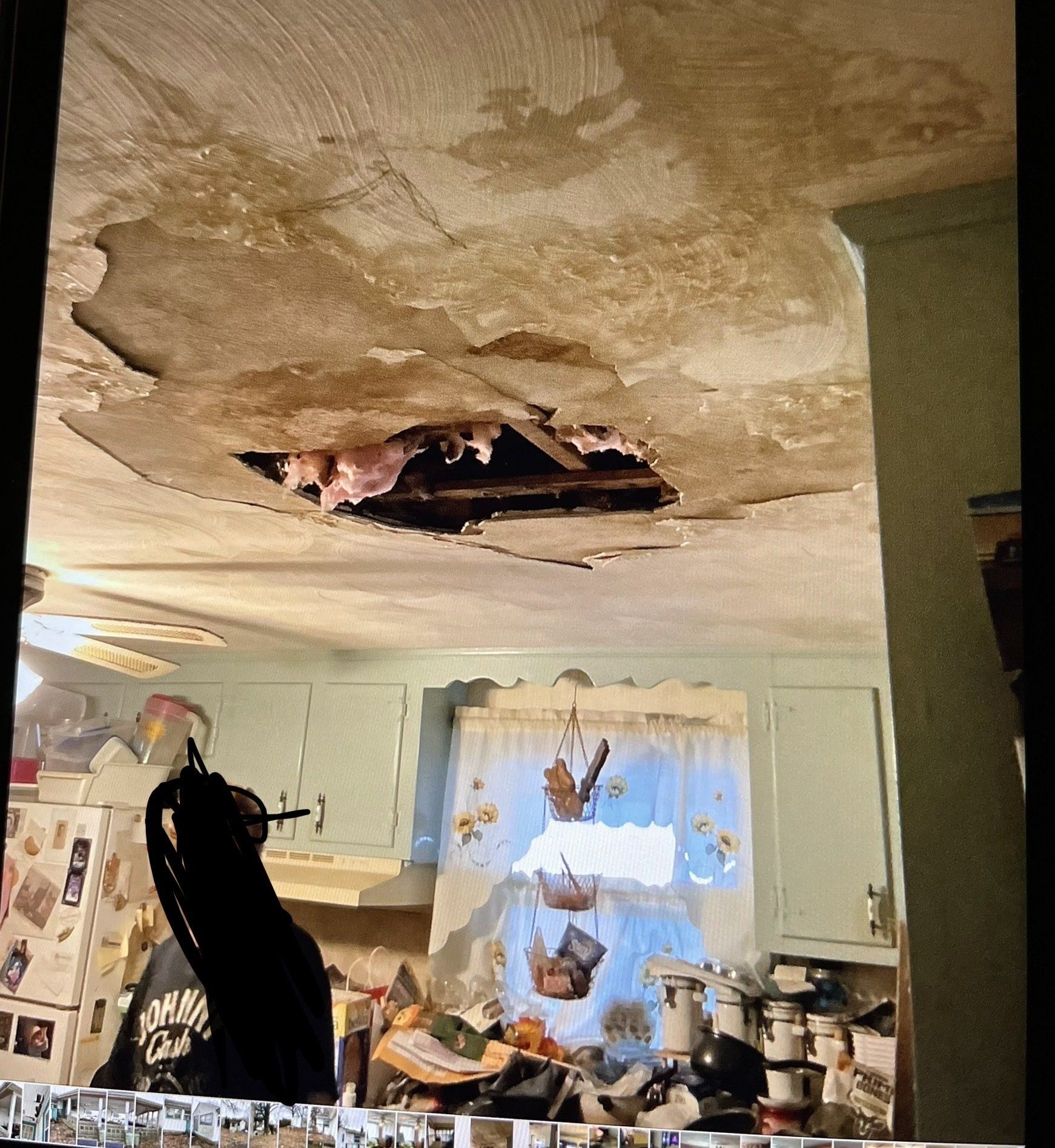
Other times, selling your home as-is might make more financial sense.
Before spending money, consider:
- Will this improvement help the home attract more buyers?
- Is it something buyers in this price range expect?
- Will the potential increase in sale price justify the cost?
- Would selling without making the repair be a better financial decision?
I've walked through plenty of homes where sellers thought they needed to spend $20,000 or more before listing.
My goal is to help homeowners avoid unnecessary spending and focus on improvements that actually matter.
Remember: You don't need to have a perfect house to sell your house.
3. Price Your Rhode Island Home Strategically
Here's something homeowners don't always realize:
The highest asking price doesn't necessarily lead to the highest selling price.
Pricing a home too aggressively can cause it to sit on the market, lose momentum, and eventually require price reductions.
On the other hand, a strategically priced home can generate stronger initial interest and, depending on market conditions, potentially attract multiple offers.
The right pricing strategy depends on your competition, the condition of your property, and how buyers are behaving in your local market.
I want sellers to understand not just what their property might sell for, but why we're choosing a particular asking price.
4. Understand the Costs of Selling a House in Rhode Island
Before selling your home, it's important to know approximately how much money you'll walk away with.
Your final proceeds will depend on your mortgage payoff and the expenses associated with the transaction.
Potential seller expenses include:
- Real estate brokerage compensation, if applicable and negotiated
- Rhode Island real estate conveyance tax
- Attorney and closing-related fees
- Property tax and other closing adjustments
- Agreed-upon buyer concessions
- Repairs or other negotiated expenses
For 2026, Rhode Island's standard real estate conveyance tax is $3.75 per $500 of consideration, or fraction thereof. An additional tax applies to the portion of qualifying residential transactions above the $824,000 threshold.
For example, on a $500,000 home sale, the standard conveyance tax would be $3,750.
Before listing a property, I believe every seller should understand an estimated net proceeds figure, not just an estimated selling price.
After all, what matters most isn't simply what your house sells for. It's what you actually keep.
5. Know Rhode Island's Seller Disclosure Requirements
Rhode Island homeowners generally need to provide a written property disclosure describing known deficient conditions before signing an agreement to transfer covered real estate.
Depending on the property, additional requirements may apply, including lead-related disclosures and documentation.
This is particularly important with Rhode Island's many older homes.
Being transparent about known issues can help buyers make informed decisions and reduce the potential for problems during the transaction.
I recommend working with your Realtor and closing attorney to understand which disclosures apply to your property.
6. Selling Your Current House and Buying Another One?
If you're thinking about selling your house in Rhode Island because you need more space, want to downsize, or are ready for a different neighborhood, you may be wondering:
"How do I sell my house and buy another one without ending up homeless?"
This is a concern I hear from homeowners all the time.
The good news is that you have options.
Depending on your financial situation and the properties involved, your strategy might include coordinating closing dates, negotiating occupancy arrangements, or structuring an offer around the sale of your current home.
There isn't one solution that works for everyone.
The important thing is having a plan before your property goes on the market so you understand your timeline, financial obligations, and potential risks.
7. Should You Sell Your Rhode Island House As-Is or for Cash?
Not every homeowner wants to go through repairs, showings, open houses, and traditional financing contingencies.
Maybe you inherited a property. Maybe the house needs significant work. Or perhaps you simply want a faster, more straightforward transaction.
In those situations, a cash sale could be worth considering.
There are benefits and trade-offs to both approaches.
Listing your house traditionally may expose your property to a larger pool of buyers and help you maximize its selling price, although closing costs, preparation, and time on the market should be considered.
Selling to a cash buyer may reduce the need for repairs, showings, or certain financing-related steps, but the offer will typically reflect the buyer's costs, risks, and desired return.
I believe homeowners deserve to understand both options before making a decision.
Sometimes listing is the clear winner. Other times, convenience and certainty are more important.
8. Choose a Realtor Who Understands Your Rhode Island Market
Selling a house involves more than uploading photos to a website.
You need someone who understands local property values, knows how to position your home, communicates with buyers and agents, and can help navigate inspections, appraisals, financing, and closing.
At Pacheco Homes Team, we help Rhode Island homeowners understand their options and create a selling strategy based on their actual goals.
Whether you're selling in Cranston, Cumberland, Warwick, Lincoln, Johnston, Smithfield, North Providence, Coventry, or surrounding Rhode Island communities, the first step is understanding your home's market position.
Frequently Asked Questions About Selling a Home in Rhode Island
How long does it take to sell a house in Rhode Island?
It depends on the town, asking price, property condition, buyer demand, and financing involved. A well-priced home may attract an offer quickly, but the complete selling process also includes inspections, financing, title work, and closing.
Can I sell my house in Rhode Island without making repairs?
Yes. Many homes can be marketed and sold in as-is condition. However, property condition can affect buyer interest, financing eligibility, and the price buyers are willing to pay. Applicable disclosure obligations still apply.
How much does it cost to sell a house in Rhode Island?
Costs vary depending on the sale price, negotiated brokerage compensation, conveyance tax, attorney fees, mortgage payoff, closing adjustments, and any buyer concessions. An estimated seller net sheet can help you plan.
Is it better to sell my Rhode Island home now or wait?
That depends on your home's value, your financial position, your plans for your next home, and conditions in your local market. Instead of trying to predict the perfect moment, start by understanding what selling would mean financially.
What's the best way to find out how much my house is worth in Rhode Island?
A local comparative market analysis using recent sales, current competition, and your home's specific features is a strong starting point.
Ready to Sell Your House in Rhode Island? Let's Talk.
If you're considering selling your house in Rhode Island, I'd be happy to help you figure out what makes the most sense.
You don't need to have a moving date picked out. You don't need to make repairs first. And you definitely don't need to commit to listing your home just to understand your options.
We can start with a conversation about your property, what it's potentially worth, and what you'd like to accomplish.
Jason Pacheco | Pacheco Homes Team
Century 21 Limitless