Inherited a House in Rhode Island? Here's What to Do Next
Inherited a House in Rhode Island? Here's What to Do Next
Inheriting a house can come with a lot of questions, especially when you're already dealing with the loss of a family member.
Maybe you've inherited your parents' home, are responsible for handling an estate or have a property that needs years of repairs and maintenance.
Should you sell it? Fix it up? Keep it in the family? And what happens if multiple family members are involved?
If you've inherited a house in Cranston, Cumberland, Lincoln, Warwick or anywhere else in Rhode Island, here's what you should know before making your next move.
1. Find Out Who Has the Legal Authority to Sell the Property
Before putting an inherited house on the market, you need to establish who legally has the authority to sell it.
Depending on how the property was owned, whether the deceased person had a will and how the estate is being administered, you may need to go through probate.
Rhode Island law allows probate courts to grant an executor or administrator authority to sell estate real estate through a petition. However, not every inherited property requires the same process.
Rhode Island Legislature
+1
A Rhode Island probate attorney can help determine what is required for your particular situation.
2. Determine What the Inherited House Is Worth
Before deciding what to do with the property, find out how much it's actually worth.
An inherited house might have been purchased decades ago, and its current market value could be substantially different from what your family originally paid.
However, the condition of the property matters.
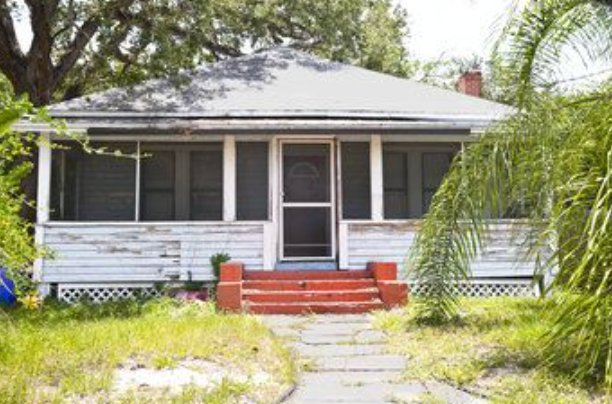
A home with an outdated kitchen, aging roof, older heating system or unfinished repairs may attract a different group of buyers than a fully renovated property.
Understanding the home's current market value and its potential value after renovations can help you decide whether making repairs is worthwhile.
3. Decide Whether to Sell the House As-Is
One of the biggest questions families face is whether to spend money renovating an inherited house before selling it.
Let's say you've inherited a property that hasn't been updated in 30 years.
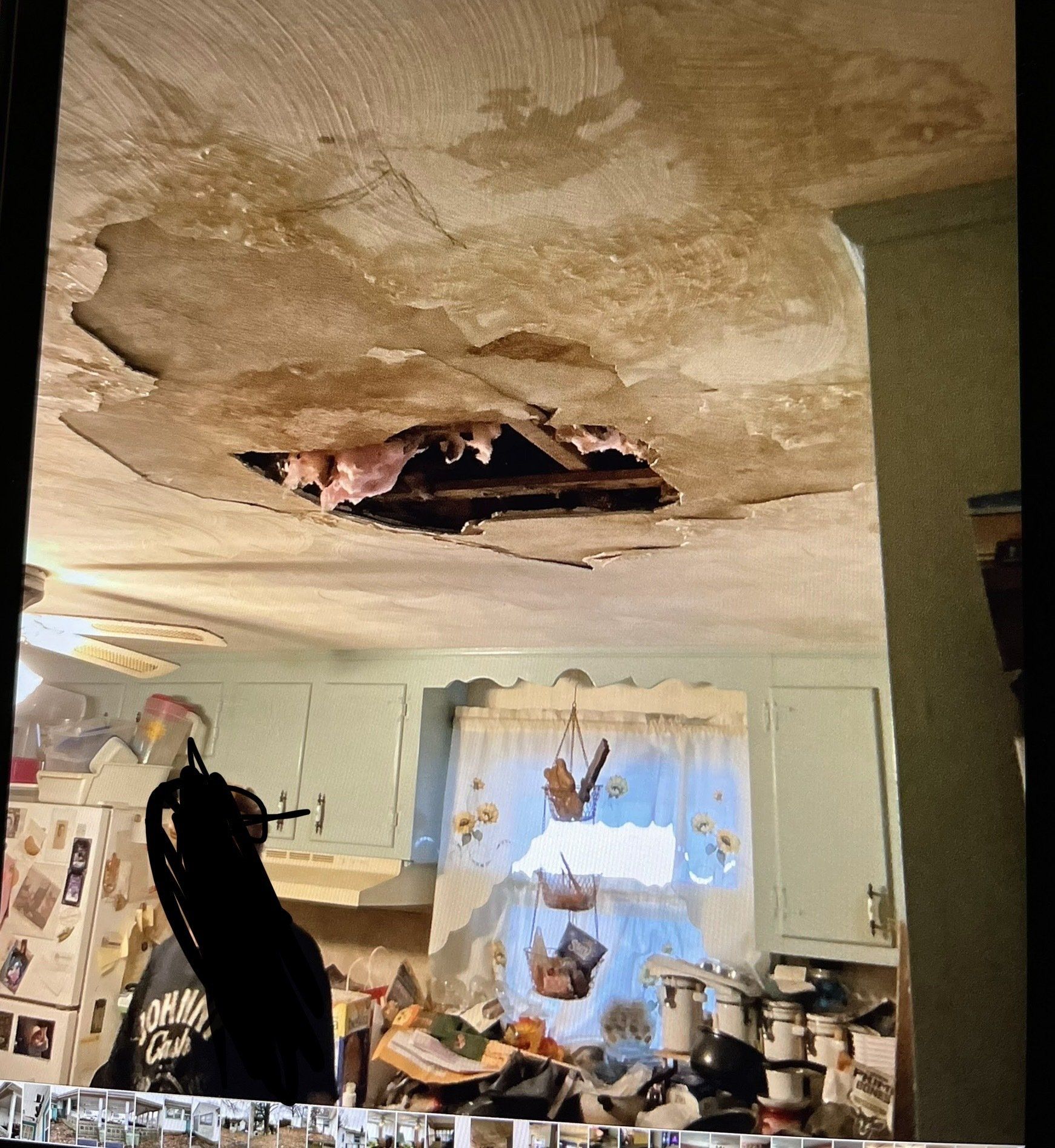
The kitchen is outdated, the bathrooms need work and the house is filled with furniture and belongings.
You might assume you need to spend $40,000 or $50,000 getting it ready to sell.
But that isn't necessarily the case.
Depending on the property and local market, selling the house in its existing condition could be an option.
Before committing to renovations, compare estimated repair costs, likely selling prices and the time required to complete the work.
4. What Happens When Multiple Family Members Inherit a House?
It's common for multiple siblings or family members to inherit a property together.
Sometimes everyone agrees that selling the house makes sense. Other times, one person wants to sell, another wants to keep it and someone else wants to renovate it.
Before making decisions, establish who owns the property, who has authority to act and whether the estate is still being administered.
An attorney can explain each person's rights and how the will, deed and applicable probate requirements affect the sale.
Having a clear understanding of the property's value can also give everyone a common starting point for discussing their options.
5. Should You Accept a Cash Offer or List the Property?
When selling an inherited home, there are two common approaches to consider.
Option 1: Sell to a cash buyer
This may be worth exploring when the property needs extensive work, the family lives out of state or the estate needs a relatively straightforward sale.
Cash offers may involve fewer repairs and a shorter closing timeline, but investors generally factor their expenses and profit into their purchase prices.
Option 2: List the property on the open market
Listing the home gives you the opportunity to expose it to a wider pool of buyers, including people looking for their next primary residence.
Depending on market conditions, the home's condition and buyer demand, this approach may produce a higher sale price. However, it may also involve additional preparation, showings and negotiations.
You don't have to make that decision without knowing your numbers. Compare the estimated net proceeds of each option before choosing how to proceed.
6. Don't Forget About Ongoing Property Expenses
Even if an inherited home is sitting vacant, expenses don't necessarily stop.
Depending on the property, you may still be responsible for taxes, insurance, utilities, heating, lawn care and general maintenance.
If you're handling an estate, confirm with the estate's attorney how these expenses should be paid and documented.
It's also worth checking whether the existing homeowners insurance remains appropriate now that the property may be vacant.
These expenses can influence how long you want to hold the property before selling.
7. Can You Sell an Inherited House Before Probate Is Complete?
In some circumstances, an estate's representative can sell real estate during probate if they have the necessary legal authority.
Rhode Island law provides a process through which the probate court may authorize the sale of estate property. Whether court approval is necessary in your situation depends on the estate, the will and the applicable legal requirements.
Rhode Island Legislature
+1
Before accepting an offer, have a Rhode Island probate attorney confirm who must sign the purchase agreement and whether any additional approvals are required.
Frequently Asked Questions About Inherited Homes in Rhode Island
Can I sell an inherited house that needs extensive repairs?
Yes, provided you have the legal authority to sell it. You can explore listing it in its existing condition or obtaining offers from investors. Applicable disclosure requirements and other legal obligations should be reviewed with your attorney.
Do I need to empty the entire house before selling it?
Not always. Some buyers may agree to purchase a property with belongings remaining, while others will expect it to be cleared before closing. Make sure expectations are clearly documented in the purchase agreement.
How do I find out what my inherited house is worth?
A local real estate agent can prepare a comparative market analysis using recent sales of similar properties. A professional appraisal may also be appropriate, particularly for estate valuation or tax purposes.
Do I have to pay taxes when selling an inherited property?
The tax treatment depends on factors including the property's value at inheritance, your sale price and your individual circumstances. Speak with a qualified tax professional before selling.
Need Help Selling an Inherited House in Rhode Island?
Handling an inherited property can feel overwhelming, especially when you're coordinating with family members, attorneys or an estate representative.
I'm Jason Pacheco, founder of the Pacheco Homes Team with Century 21 Limitless.
My team helps Rhode Island homeowners understand their selling options, from listing on the open market to exploring a possible as-is cash sale.
Whether the property is in Cranston, Cumberland, Lincoln, Warwick or elsewhere in Rhode Island, I'd be happy to discuss what selling it could look like.
There's no obligation to list your property just because we have a conversation.
Call or text Jason Pacheco: 401-808-0673